Barcelona: Montserrat, Cogwheel, Black Madonna & Winery Tour
4.7 (7,100 reviews)
from €39Check dates
Golden rule: where there are laminated paella photos, there is no paella — see which tours pay off
Barcelona eats wonderfully — once you learn to dodge the laminated menus downtown. Here's what to order, where locals actually eat, how vermouth hour works and which food experiences justify their price.
ⓘ Note: this is not the official website This is not the official website of any market, restaurant or operator. We are an independent guide: tour bookings are processed by authorised partners such as GetYourGuide.24 options · Prices checked on 18 October 2026
No options match these filters.
4.7 (7,100 reviews)
from €39Check dates
4.8 (5,535 reviews)
from €52.80Check dates
4.8 (4,382 reviews)
from €59.25Check dates
4.5 (3,545 reviews)
from €27Check dates
4.7 (2,084 reviews)
from €20.31Check dates
4.7 (1,341 reviews)
from €56.05Check dates
4.5 (42 reviews)
from €59Check dates
4.8 (907 reviews)
from €97.49Check dates
4.6 (32 reviews)
from €95Check dates
| Real meal times | Lunch 13:30–15:30 · dinner from 20:30 (locals arrive at 21:30) |
|---|---|
| Tapas budget | ~€15–25 per person with drinks in a neighbourhood bar; double in tourist zones |
| Honest paella | €18–30/person at a rice house, made to order with a 20–30 min wait |
| Food tours | ~€70–110 tapas tour · ~€45–80 paella class with market visit |
| The local ritual | Midday vermouth (12:00–14:00), above all on Sundays |
| Anti-trap rule | Laminated photos + a waiter recruiting at the door = keep walking |
Market prices are indicative; tours per GetYourGuide (they vary by language and group size).
| Experience | Approx. price | What you get | Best for |
|---|---|---|---|
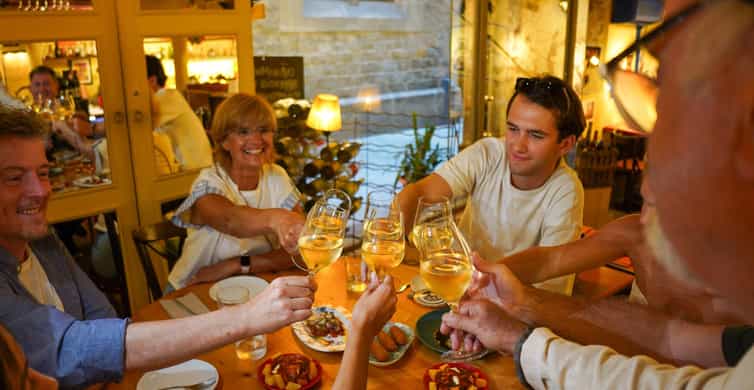
| Tapas tour with vermouth & wine | ~€70–110 | 3–4 stops in real bars, a local guide, a full meal | Your first night: it maps the bars for the rest of the trip |
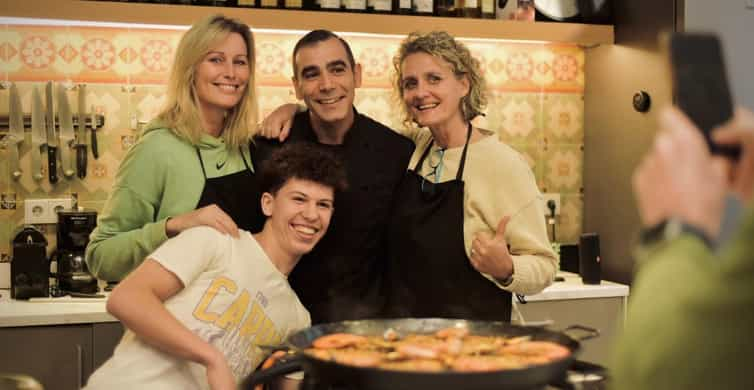
| Paella class + Boqueria market | ~€45–80 | Market shopping, guided cooking and lunch with wine | Families, groups and anyone taking the recipe home |
| El Born food tour | ~€70–100 | Tapas and historic wine cellars in the prettiest walking quarter | Couples; pairs with the Moco or the Picasso |
| Catalan wine tasting | ~€35–70 | Priorat, Penedès and cavas with a sommelier | Wine lovers with no time for a winery trip |
To drink: red vermouth on tap at midday, Penedès or Priorat wine with lunch, cava for any excuse to celebrate — and a cold draught beer without guilt: the caña is culture here.
La Boqueria is still a spectacle — with strategy: before 10:00, side aisles, and the counters at the back. Sant Antoni and Gràcia's Mercat de la Llibertat offer the same experience with more locals and fewer €5 juices. Want to cook what you buy? A cooking class with a Boqueria tour solves market and lunch in one morning.
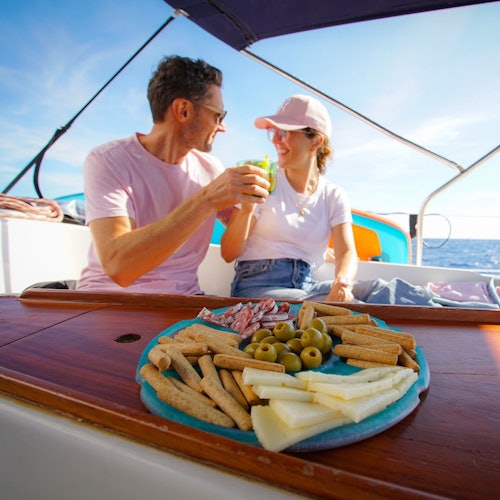
If you want to understand Barcelona through food, aim for vermouth hour. Between noon and two, especially on Sundays, half the city sits down to red vermouth with a soda siphon, stuffed olives and good tinned cockles. It isn't a drink: it's an institution with its own liturgy — it stretches, it comes with snacks, and it is never, ever rushed.
Catalan cooking goes far beyond the tapa: it's mar i muntanya (sea and mountain on one plate), slow sofritos, romesco, butifarra sausage with white beans, and a market tradition that explains why the city runs more than 35 municipal markets — a European record. La Boqueria, documented since the 13th century, is merely the most famous. And yes: this region raised the El Bulli generation and half of Spain's culinary revolution — eating well in Barcelona isn't luck, it's a system.
Gràcia, Sant Antoni, El Born and Barceloneta's inner streets. Good signs: a short menu without photos, vermouth on tap and local customers. La Rambla is for strolling, not eating.
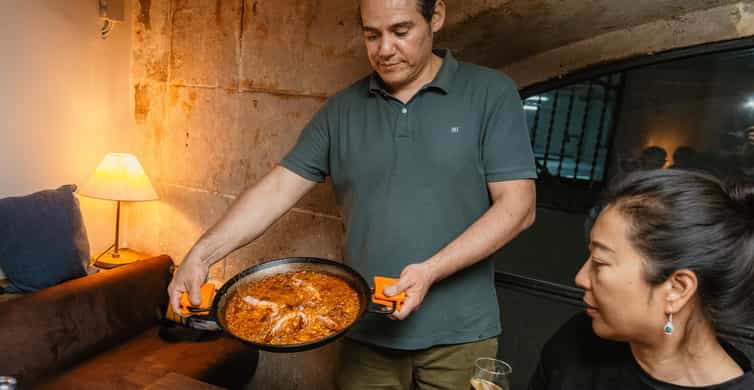
At rice houses, made to order, with a 20–30 minute wait and €18–30 per person. Anything served in 10 minutes is pre-cooked. Try arròs negre too: it's the local rice.
On your first night, yes: it replaces dinner and leaves you a bar map for the rest of the trip. With kids, the paella class with market visit wins.
No, but it has hours: before 10:00 it's a glorious market; at midday, a funnel. Quieter alternatives: Sant Antoni and La Llibertat.
From 20:30; full swing at 21:30. Dining at 19:00 guarantees a table — and exclusively foreign company.
The local aperitif: red vermouth with soda and tinned delicacies, at midday, especially Sundays. Ordering one is the shortcut to eating like a barcelonés.
Weekend tapas tours and paella classes fill first. Free cancellation on most options.
See tours and dates