Barcelona festivals and events: the calendar for the whole year
Barcelona has seven or eight days a year when it stops behaving like a destination and behaves like a village: bonfires on the beach, eight-storey human towers, entire streets hand-decorated by the people who live on them. Here are the fixed dates you can book a year ahead, the events that move every edition, and the small print — what closes, which night you will not sleep, and when the hotel has to be paid for already.
ⓘ Note: this is not the official website This is not the official website of Barcelona City Council or of any festival, event or organiser mentioned here. We are an independent guide: the fixed dates of the popular calendar do not change, but programmes, timings and routes are published every year on barcelona.cat and on each event's own site. Bookings are processed by authorised partners such as GetYourGuide.Tickets and tours to book
24 options · Prices checked on 18 October 2026
No options match these filters.
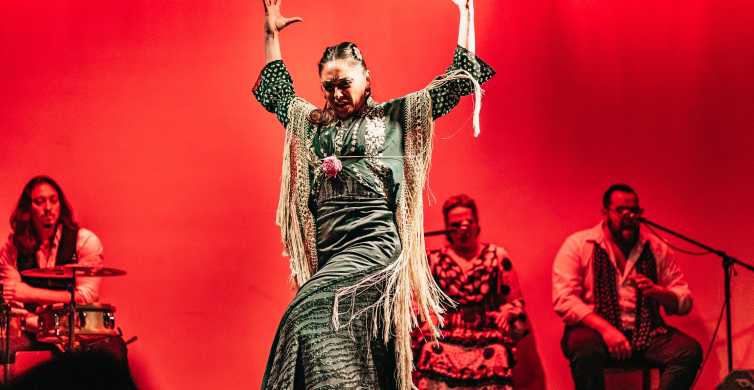
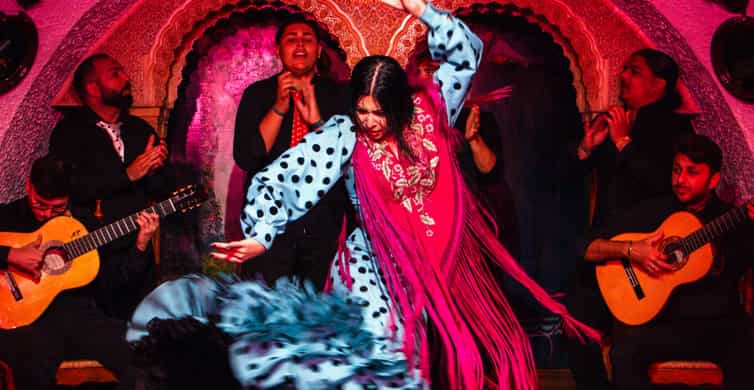
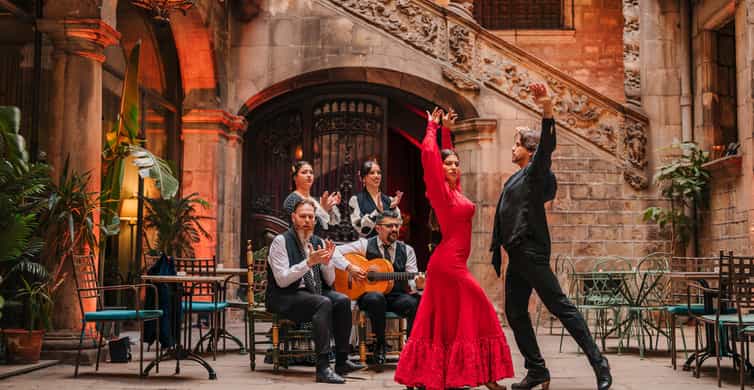
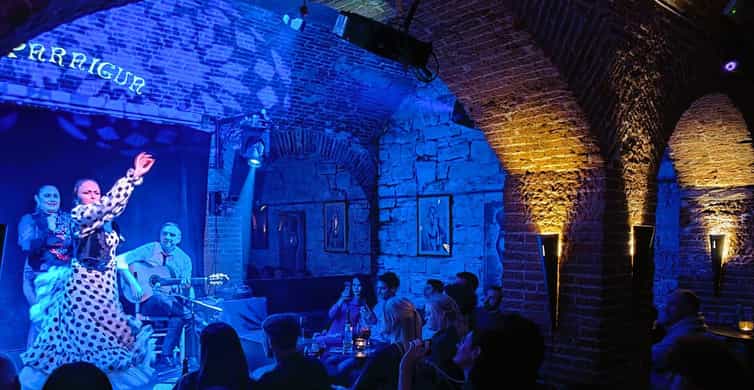
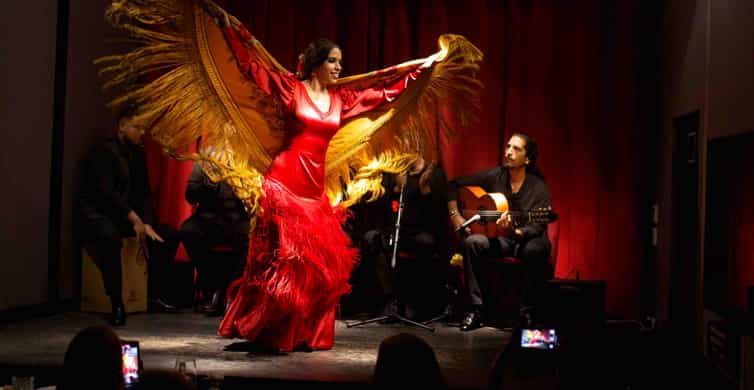
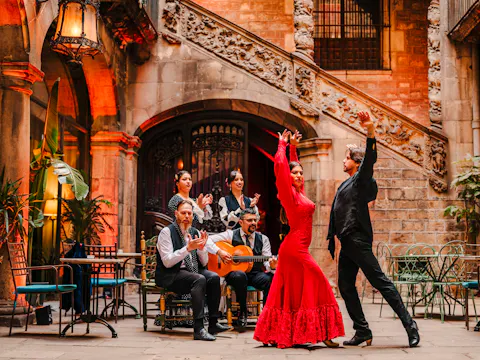
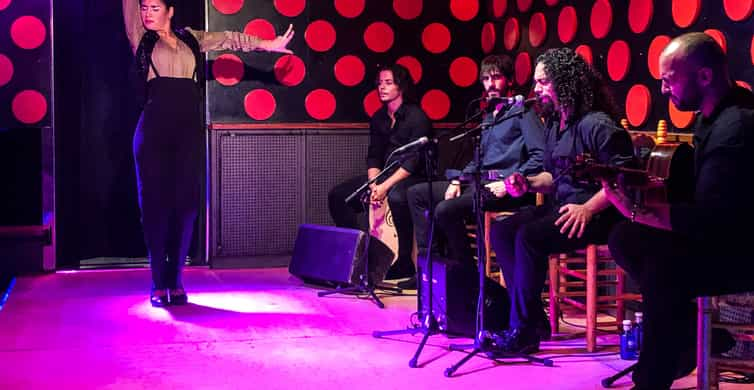
Top Awarded Flamenco Show Tablao Cordobes with dinner option
4.7 (5,268 reviews)
from €35Check dates
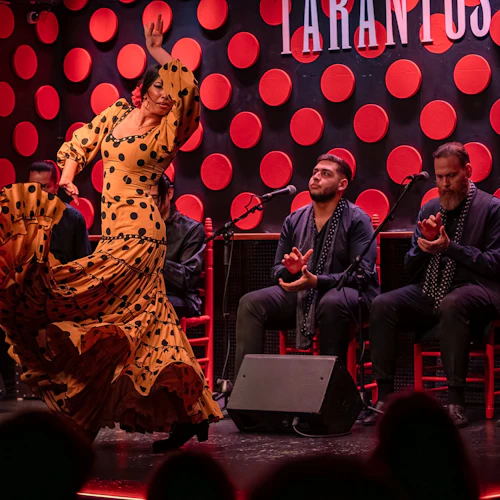
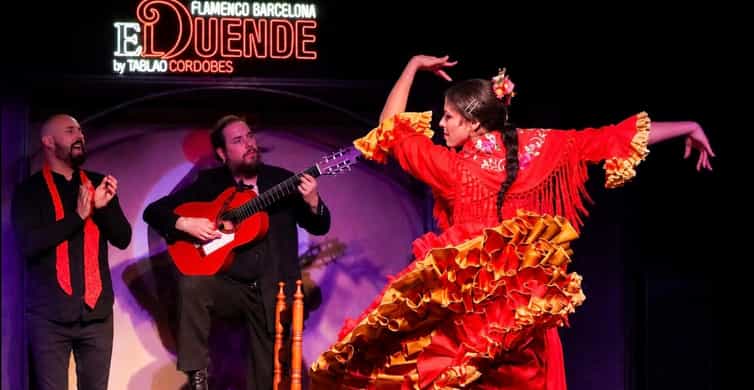
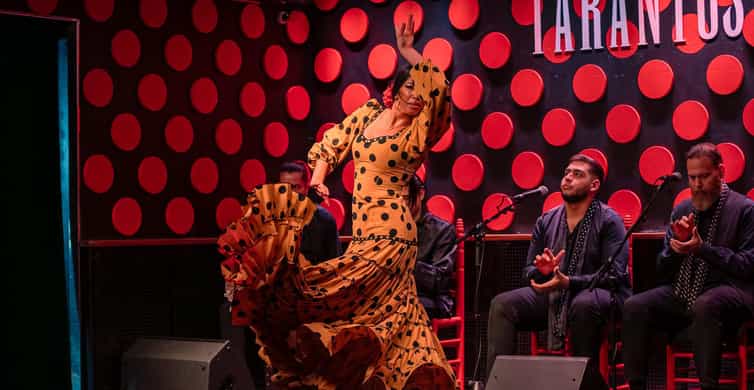

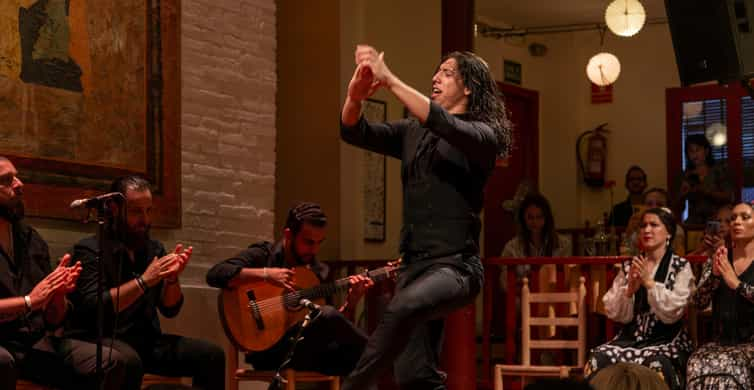
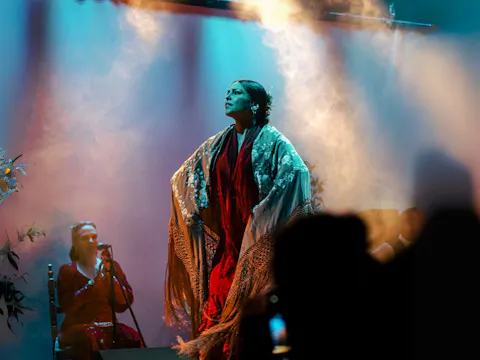
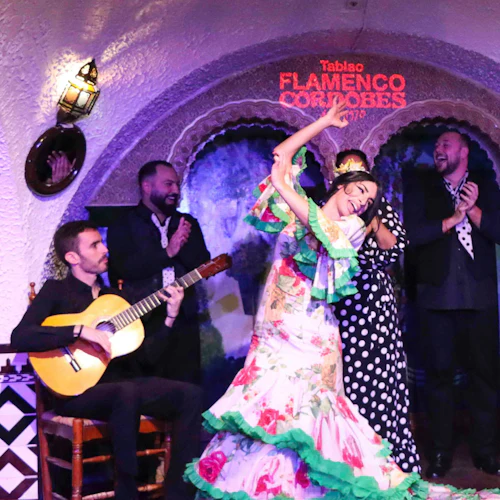
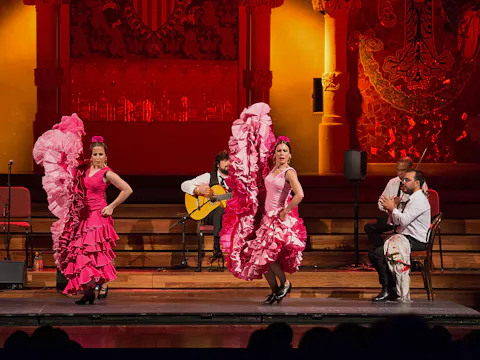
Barcelona: Exclusive Flamenco Show at El Paraigua with Drink
4.9 (429 reviews)
from €24.65Check dates


The fixed-date calendar, month by month
| Date | Festival | What happens | Public holiday? |
|---|---|---|---|
| 5 January | Cavalcada dels Reis | The Three Kings arrive by sea at Port Vell in the late afternoon, then parade ~5 km throwing sweets | No (the 6th is) |
| ~12 February | Festes de Santa Eulàlia | Winter city festival: giants, big-heads, human towers and an open-doors day at museums | No |
| 23 April | Sant Jordi | Books and roses on every corner; stalls along La Rambla, Passeig de Gràcia and the whole Eixample | No |
| Night of 23 June | Nit de Sant Joan | Bonfires, firecrackers, coca de Sant Joan and beaches full until sunrise | The 24th is |
| From ~15 August, one week | Festa Major de Gràcia | Streets decorated by residents, concerts, castellers and a correfoc; free entry | No (the 15th is) |
| Several days around 24 September | Festes de la Mercè | The main city festival: 500+ activities, correfoc, castells and a closing pyromusical | The 24th is |
| Late Nov – 23 Dec | Fira de Santa Llúcia | Christmas market by the Cathedral, ~300 stalls of nativity figures, tions and caganers | No |
| 31 December | Cap d'Any | Twelve chimes with twelve grapes, light show by the Magic Fountain and fireworks | 1 January is |
The Festa Major de Gràcia starts around 15 August and lasts about a week (the 2026 edition ran 15-21 August, with the opening pregó on the evening of the 14th); La Mercè spreads over several days around 24 September (23-27 September in 2026), per the organisers and the city council (barcelona.cat). Exact dates for the next editions are announced a few months ahead. The Fira de Santa Llúcia shifts by a few days each year: the 2025 edition, its 239th, ran 28 November to 23 December, 10:00-21:00. Santa Eulàlia is programmed around 12 February with events spread over several days. Detailed timetables appear on barcelona.cat a few weeks beforehand.
Winter: Three Kings and Santa Eulàlia
The Cavalcada dels Reis on 5 January is the best entrance any Spanish festival manages: Melchior, Caspar and Balthasar do not roll in on a float, they sail in. They dock in the late afternoon at Port Vell aboard the Santa Eulàlia, the Maritime Museum's historic schooner, the mayor hands them the key to the city, and from there a five-kilometre parade sets off, throwing tonnes of sweets into the crowd. With children, stand in the first half of the route and get there an hour early — by the far end there is neither space nor sweets left. 6 January is a public holiday and shops close almost completely, so plan a museum that day, not shopping.
The other winter festival is Santa Eulàlia, around 12 February, honouring the city's co-patron — a girl martyred in Roman times whose tomb lies in the crypt of the Cathedral. This is the small city festival, the one visitors have never heard of: four-metre gegants, big-headed capgrossos, fire-breathing dragons and castellers raising towers in Plaça Sant Jaume. Its practical advantage is considerable: on 12 February several museums and municipal venues hold an open-doors day. In the 2026 edition, Castell de Montjuïc, the CCCB and the Maritime Museum were among those admitting visitors free. The list changes yearly and is published on barcelona.cat.
23 April: Sant Jordi, the most beautiful day of the year
If you can only pick one date in the calendar to be in Barcelona, pick 23 April. Sant Jordi is not a public holiday — people go to work, museums open as usual — and the entire city still turns into an open-air market. La Rambla, Passeig de Gràcia, Gran Via and every neighbourhood square fill with book and rose stalls, authors sign copies on the street for hours, and the Palau de la Generalitat opens its orange-tree courtyard to the public.
The tradition has two layers. The rose comes from the medieval legend: Sant Jordi kills the dragon, a rose bush grows from the creature's blood, and the knight cuts a flower for the princess. The book was grafted on in the 20th century, leaning on a famous coincidence — Cervantes and Shakespeare both died around 23 April 1616 — and UNESCO later took that date for World Book Day. The classic rule was a rose for her and a book for him; in practice today both go in both directions.
What to expect on the ground: dense but good-natured crowds, no drinking in the street, no noise. It is a daytime festival that fades out by itself at dusk. Go early if you want photographs of the stalls without the backs of heads in them, and stay off La Rambla — the neighbourhood stalls in Gràcia or Sant Antoni have the same atmosphere and half the people. Watch out for Easter week, which moves between March and April and does push prices up in whichever week it lands.
Summer: Sant Joan and the Festa Major de Gràcia
The Nit de Sant Joan, the night of 23 June, is the loudest of the year, and that is not a figure of speech. It is the solstice party: bonfires on the sand, firecrackers and rockets set off by everyone everywhere from mid-afternoon onwards, cava, coca de Sant Joan (a brioche with candied fruit and pine nuts) and the beaches packed until sunrise. The 24th is a public holiday and the city sleeps it off: many museums close that day — the Museu Picasso, for instance, closes on 24 June according to its official site (museupicassobcn.cat).
Blunt practical advice: if you are sleeping near Barceloneta, Poblenou or Gràcia that night, you will not sleep. The bangers start at six in the evening and do not stop until five in the morning. Travelling with small children, a dog or a light sleeper? Move the booking, or pick an uphill neighbourhood (Sarrià, Sant Gervasi). If you join in: closed shoes, no sandals, and expect the sand to be covered in spent fireworks the next morning.
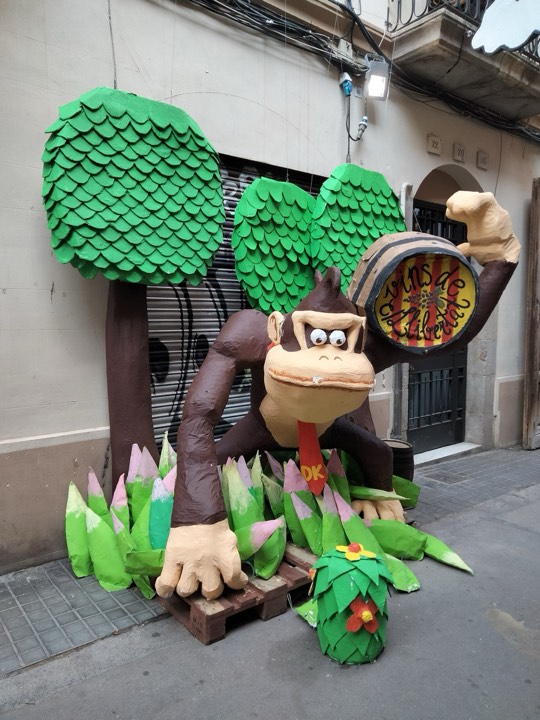
A month later comes the most photogenic festival of the year. The Festa Major de Gràcia starts around 15 August and lasts about a week, opening with a speech on the evening before. For months beforehand, each street's residents' committee builds a full set — submarines, jungles, starry skies — out of recycled material, and the streets compete for the best-decorated prize. The 2026 edition (15-21 August) had 23 decorated streets and squares and close to 900 activities, all free, according to the Fundació Festa Major de Gràcia. By day you can walk it calmly and photograph it properly; from about 22:00 Gràcia's narrow streets turn into a human funnel with music on every corner. Go on a weekday, early evening, if the decorations are what you came for.
La Tomatina is not a Barcelona festival. Worth saying plainly, because half the internet sells it as though it were: the tomato fight happens in Buñol, province of Valencia, roughly 330 km away as the crow flies and about 380 km by road, on the last Wednesday of August. The fight lasts one hour, starting around 11:00. From Barcelona it is a very long full-day trip — pre-dawn departure, seven to eight hours on a coach in total — and operators run it with festival access included: La Tomatina day trip from Barcelona. Wear clothes you can throw away and goggles, not contact lenses.
La Mercè: castellers, correfoc and the best week of the year
La Mercè is Barcelona's main city festival, honouring the Mare de Déu de la Mercè, patron saint of the city, whose feast day is 24 September. The programme spreads over several days either side: the 2026 edition ran 23-27 September, with more than 500 activities and Shanghai as guest city, according to barcelona.cat. Nearly all of it is free and outdoors: concerts in Plaça Reial, at the Fòrum and on Montjuïc (the BAM and MAC strands), parades of giants and big-heads, projection mapping on the City Hall façade, and a closing pyromusical over the Magic Fountain. This is the week Barcelona behaves like Barcelona rather than a stage set.
Two traditions deserve a proper explanation, because they are the ones that leave people open-mouthed:
- Els castells (human towers). Colles of several hundred people build towers six to ten levels high; ten is the rarest and hardest of all. The lower levels form the pinya, a packed base that both supports the tower and cushions a fall, and the top is crowned by a child, the enxaneta, who raises one hand on reaching the summit. The castell does not count as complete until the whole structure is dismantled without collapsing. Castells have been on UNESCO's Representative List of the Intangible Cultural Heritage of Humanity since November 2010. They go up in Plaça Sant Jaume; arrive half an hour early if you want to see anything.
- The correfoc (fire run). Devils, dragons and beasts move down the street after dark firing hand-held fireworks at head height, driven by a line of drummers. The part that startles visitors is that the public deliberately steps into the shower of sparks and dances underneath it. If you go in: old cotton clothes (synthetics melt), long sleeves, long trousers, a hood or hat, closed shoes, and no contact lenses. If not, stay behind the barriers — the view is just as good. Unlike the castells, the correfoc is not on any UNESCO list; it is a Catalan tradition revived in the 1970s.
Christmas: Fira de Santa Llúcia, the tió and the caganer
The Barcelona Christmas market, the Fira de Santa Llúcia, fills Plaça de la Seu in front of the Cathedral, and it is one of the oldest in Europe: the 2025 edition was its 239th. It usually runs from late November until 23 December — in 2025, from 28 November to 23 December, 10:00-21:00, with around 300 stalls. Do not expect the German model of mulled wine and sausages: what is on sale here is nativity figures, moss and cork to build the crib with, fir trees, mistletoe, carol instruments, and the two local oddities everyone ends up buying.
- The caga tió (or tió de Nadal) is a log with stick legs, a painted face and a red barretina cap. Children "feed" it every evening from early December and cover it with a blanket so it does not get cold. On the 24th, after singing it a song, they beat it with a stick so it "poops" nougat, wafer biscuits and small presents. For many Catalan children it is the first Christmas figure of all, ahead of the Kings.
- The caganer is a nativity figurine, squatting with its trousers down, tucked into a far corner of the crib — never beside the manger. It is documented from at least the 18th century and its meaning is agricultural: what is deposited fertilises the soil, and fertile soil means a good harvest next year. Hunting for it in the crib is a family game. You will now find caganers of footballers, politicians and pop stars, but the original is a peasant in a barretina.
To see the lit-up city without walking ten kilometres, the Christmas lights open-top bus tour runs the illuminated avenues after dark from the open upper deck; the Christmas curiosities tour with hot chocolate covers the traditions on foot through the Gothic Quarter.
New Year's Eve has its official event on Avinguda de la Reina Maria Cristina, beside the Magic Fountain of Montjuïc: a pre-show from 21:30, the twelve chimes at midnight, and around twenty minutes of pyrotechnics afterwards. Spanish tradition requires one grape per chime, twelve in all, one for each month of the coming year; supermarkets sell them from about 28 December in tins, already peeled and de-seeded. Arrive before 23:00 and be patient leaving Espanya metro station. If you would rather watch from the water, see the boat tours in the harbour.
Annual events with moving dates
These are not popular festivals: they are events with a new date each edition, announced months in advance. Always check the official site before buying flights, because they shift.
| Event | Next edition | Where | What it means for your trip |
|---|---|---|---|
| Mobile World Congress | 1-4 March 2027 | Fira Gran Via, L'Hospitalet | The most expensive week of the year: hotel rates climb above August levels |
| Zurich Marató de Barcelona | 14 March 2027 | Start and finish on Av. Maria Cristina | Road closures and diverted buses all Sunday morning |
| Primavera Sound | 3-5 June 2027 | Parc del Fòrum | 25th edition; hotels full and the airport heaving the following Sunday |
| Sónar | 17-19 June 2027 | Fira Montjuïc and Gran Via venues | Sónar by Day and Sónar by Night, plus off-parties across the whole city |
| Festival Cruïlla | 7-10 July 2027 | Parc del Fòrum | Mixed line-up, family-friendly, and the most affordable of the three |
Dates announced by the organisers themselves (mwcbarcelona.com, zurichmaratobarcelona.es, primaverasound.com, sonar.es, cruillabarcelona.cat) as of August 2026. They can change: verify before booking. Sónar's venue configuration varies from edition to edition.
Easter moves between March and April and, while Barcelona lacks the processional weight of southern Spain, it still fills the city and lifts prices in whichever week it falls. For the rest of the musical year — the Palau season, mid-sized venues, off-season festival shows — the detail is on concerts and live music.
The small print: closures, noise and booking
What closes. The local calendar has four hard dates: 1 January, 1 May, 24 June and 25 December. The Museu Picasso closes on all four, plus every Monday, according to its official site (museupicassobcn.cat), and many municipal museums follow the same pattern. The Sagrada Família is a useful exception: it does not close, but cuts its hours to 9:00-14:00 on 25 and 26 December and on 1 and 6 January, per sagradafamilia.org. On 6 January shops shut; 26 December (Sant Esteve) is a holiday in Catalonia though not in the rest of Spain. Always check the individual venue's own site — there is no single rule that covers all of them.
- The nights nobody sleeps: Sant Joan (23 June) far ahead of everything else, then the late hours of the Festa Major de Gràcia and the big La Mercè nights. Choose your neighbourhood accordingly.
- When to book a hotel early: Mobile World Congress (as far ahead as possible), La Mercè, New Year's Eve, Sant Joan, Gràcia and the three music festivals. Two or three months is sensible; for MWC, more.
- When you don't need to: Sant Jordi and Santa Eulàlia barely shift hotel occupancy. They are street festivals for people who already live here.
- Timed-entry tickets. During La Mercè and Christmas, the big landmarks sell out as fast as they do in summer. Buy ahead on the tickets page, or weigh up a pass if you are stacking several visits.
- Where to check official dates: barcelona.cat publishes the full programmes for Santa Eulàlia, Sant Joan, La Mercè and Christmas a few weeks before each one, with schedules, routes and maps. It is the one source that is never wrong.
One note for the stomach: the festivals come with their own food. Coca de Sant Joan in June, panellets for All Saints at the end of October, the tortell de Reis with a bean and a king hidden inside it on 6 January. Any neighbourhood bakery has them on the day; for the context behind them, see the food tours.
Frequently asked questions
What is Barcelona's biggest festival?
La Mercè, the city's main festival, held over several days around 24 September. The 2026 edition ran 23-27 September according to the city council (barcelona.cat), with more than 500 activities: castellers, correfoc, giants, free concerts and a closing pyromusical. Almost all of it is free and outdoors.
What is Sant Jordi and why do people give books and roses?
Sant Jordi falls on 23 April, the feast day of Catalonia's patron saint. The rose comes from the legend of the knight and the dragon: a rose bush grew from the dragon's blood. The book was added in the 20th century because both Cervantes and Shakespeare died around 23 April 1616, and UNESCO eventually adopted that date as World Book Day. It is not a public holiday: the city works and fills up with book and flower stalls at the same time.
When is the Barcelona Christmas market?
The Fira de Santa Llúcia sets up in front of the Cathedral and usually runs from late November until 23 December. The 2025 edition ran from 28 November to 23 December, 10:00-21:00, with around 300 stalls. Exact dates are published each autumn on barcelona.cat; assume the market closes on the 23rd and does not run through Christmas Eve.
What are castellers and correfocs?
Castells are human towers of six to ten levels built by colles, teams of hundreds of people; they have been on UNESCO's Representative List of the Intangible Cultural Heritage of Humanity since 2010. A correfoc is a night-time street run in which devils and beasts fire hand-held fireworks at ground level while the crowd dances underneath. If you join in, wear old cotton clothing, long sleeves, a hood and closed shoes. The correfoc is not UNESCO-listed; the castells are.
What closes in Barcelona on public holidays?
The four hard dates on the local calendar are 1 January, 1 May, 24 June and 25 December. The Museu Picasso closes on all four, plus every Monday, according to its official site (museupicassobcn.cat), and many municipal museums follow the same pattern. The Sagrada Família does not close but cuts its hours to 9:00-14:00 on 25 and 26 December and on 1 and 6 January, per sagradafamilia.org. On 6 January the shops shut almost completely.
What are the caga tió and the caganer?
Two Catalan Christmas traditions that visitors mistake for a joke. The tió de Nadal is a log with a painted face that children feed every evening from early December and then beat with a stick on 24 December so it "poops" nougat and small presents. The caganer is a nativity figurine, squatting with its trousers down, hidden in a far corner of the crib: it stands for manure, fertile soil and next year's harvest. Both are sold by the hundred at the Fira de Santa Llúcia.
Can you do La Tomatina from Barcelona?
Yes, with one caveat: La Tomatina is not a Barcelona festival. It takes place in Buñol, a town in the province of Valencia roughly 330 km away as the crow flies and about 380 km by road, on the last Wednesday of August. The tomato fight itself lasts one hour, starting around 11:00. Doing it as a day trip from Barcelona means seven to eight hours on a coach; organised trips leave before dawn.
How far ahead should I book a hotel for festival dates?
Two to three months for La Mercè, Sant Joan, the Festa Major de Gràcia, New Year's Eve and the big music festivals (Primavera Sound, Sónar, Cruïlla). And as far ahead as you possibly can for Mobile World Congress week, 1-4 March 2027: it is the most expensive week of the Barcelona year, above even August. Sant Jordi and Santa Eulàlia barely move prices at all.
You have the date — now lock in the rest
The festivals themselves are free, but what surrounds them — night tours, timed entry tickets, weekend day trips — sells out first. Free cancellation on most options.
Check dates and prices