Barcelona: Sagrada Familia Entry Ticket with Audio Guide
4.6 (121,104 reviews)
from €33.80Check dates
Yes, it is the wettest month of the year — and still one of the best. The truth about October rain
October has a reputation problem: it is the wettest month of the Barcelona year, around 100 mm on average. And it has an explanation almost nobody gives you: those 100 mm fall on six or seven days, in twenty-minute storms, not in weeks of drizzle. The rest of the month is 22 °C, golden light, a sea still at 20 °C, museums without queues and prices that finally come down. This is the honest guide to a month that defends itself.
ⓘ Note: this is not the official website This is not the official website of any weather service or of the attractions mentioned. We are an independent guide: the climate figures are long-term averages (not a forecast) and opening hours and prices come from each landmark's official site. Bookings are processed by authorised partners such as GetYourGuide.24 options · Prices checked on 18 October 2026
No options match these filters.
4.6 (121,104 reviews)
from €33.80Check dates
4.8 (15,271 reviews)
from €73.80Check dates
4.6 (9,388 reviews)
from €52.80Check dates
4.7 (7,100 reviews)
from €39Check dates
4.8 (5,535 reviews)
from €52.80Check dates
4.7 (5,268 reviews)
from €35Check dates
4.7 (8,286 reviews)
from €10.25Check dates
4.8 (4,382 reviews)
from €59.25Check dates
4.9 (3,170 reviews)
from €85Check dates
| Average high / low | 22 °C / 14 °C |
|---|---|
| Sea temperature | ~20 °C average, warmest in the first fortnight (the same as June, three degrees above May) |
| Rain | The wettest month of the year: ~100 mm — but on only ~7 rain days |
| Daylight | 11 h 49 min on the 1st (sunset around 19:35) down to 10 h 29 min on the 31st (sunset around 17:49) |
| Clock change | Last Sunday of October: at 03:00 the clocks go back to 02:00 and it gets dark an hour earlier |
| Crowds | Medium. Cruise peaks between 10:00 and 15:00 in the centre; comfortable outside that window |
| Prices | Clearly below summer; 12 October (Spain's national holiday) often creates a long weekend and lifts rates |
| Local dates | La Castanyada on the 31st — roast chestnuts, sweet potatoes and panellets — and All Saints on 1 November, a public holiday |
Temperatures, sea, rainfall and rain days: 1991-2020 reference-period climate averages compiled by climatestotravel.com from AEMET data, rounded — these are historical means, not a forecast. Daylight calculated for Barcelona's latitude (41.39° N); the clock change follows the European rule of the last Sunday in October. Crowd levels are our own estimate based on the city's tourism seasonality.
Start with the figure that frightens people: October is the wettest month of the year in Barcelona, at around 100 mm on average. Now the figure that defuses it: those 100 mm arrive on six or seven days. Do the division and you get about 14 mm per rain day — an amount that in northern Europe would count as a storm and which here is simply a Mediterranean one: the sky closes in within half an hour, a lot of water falls for twenty or thirty minutes, and then the sun returns and the whole city smells of wet stone. In statistical terms, three days out of four in October are dry.
What you do need to accept is that October rain comes with wind, and often in the late afternoon or overnight. Hence the single most useful packing rule of the month: a light packable rain jacket beats an umbrella comfortably. The emergency umbrellas sold on La Rambla turn inside out at the first Eixample corner — that grid was laid out as a wind tunnel between the sea and the Collserola hills. With a hood you keep walking; with an umbrella you have a fight on your hands.
The rest of the month offers some of the best temperatures of the year: highs of 22 °C and lows of 14 °C, meaning you can walk all day without soaking your shirt and still eat outside at night in a light jacket. But October is not flat: the first week still behaves like September, at 24-25 °C, and the last one is properly autumnal, with highs near 18-19 °C and evenings that want a jumper.
The right strategy in October isn't hoping it stays dry: it is always having an indoor plan in your pocket and reshuffling the day when the sky closes in. Barcelona makes that easy, because the metro links almost everything below with under two minutes of exposed street.
The calendar note that most changes an October trip isn't a festival — it's the clock. In the early hours of the last Sunday of October, at 03:00, the clocks go back to 02:00 and Spain returns to winter time. The jump is abrupt and you feel it the next day: on the Saturday the sun sets around 19:00; on the Sunday, around 18:00. By the 31st it is dark at 17:49.
The practical consequence: if you travel in the last week of October, put the outdoor plans in the morning and keep the afternoon for interiors or for dinner. The viewpoints and Park Güell become midday plans rather than sunset ones. The compensation is real: this is the best photographic light of the year, low and golden from mid-afternoon, with immaculate skies right after a storm.
As for dates in the diary, October is a quiet month compared with September:
The full year is on the festivals and events page, with the official dates verified.
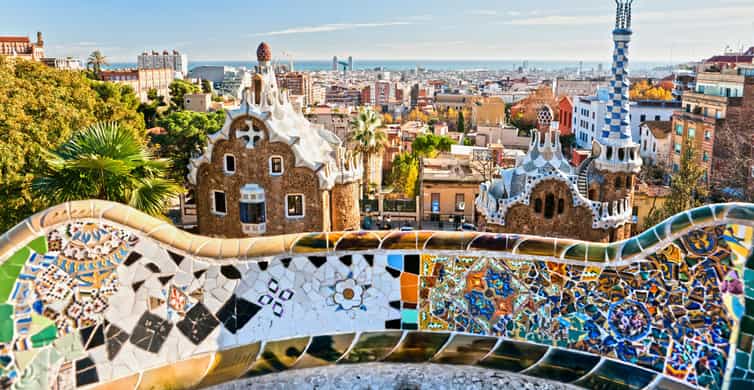
Walk, above all. At 22 °C the city goes on foot with a comfort that July makes impossible. The long routes — the whole Gothic Quarter, the modernista spine of Passeig de Gràcia with the houses of Gaudí and Domènech, the climb up Montjuïc — are October plans by definition.
One last swim. In the first fortnight the sea sits around 20 °C, the same as June, and the beaches are half empty. Daily lifeguard cover ended in mid-September, so swim close to shore and with someone watching. Details in the beaches guide.
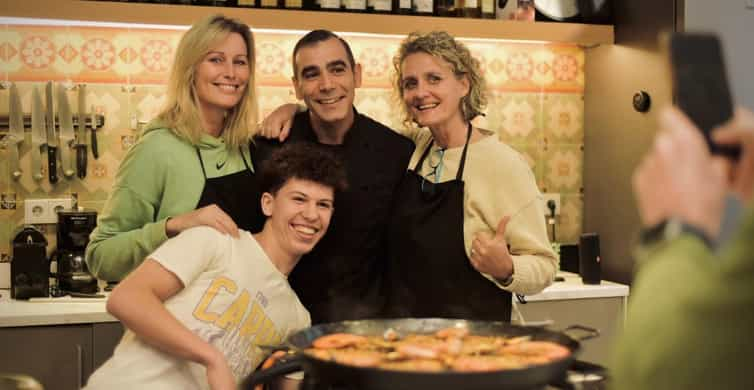
Eat what's in season. October is peak autumn market: wild mushrooms, pumpkin, pomegranate, quince, the first game dishes. It is the month a food tour stops being a list of tapas and turns into a lesson in the calendar.
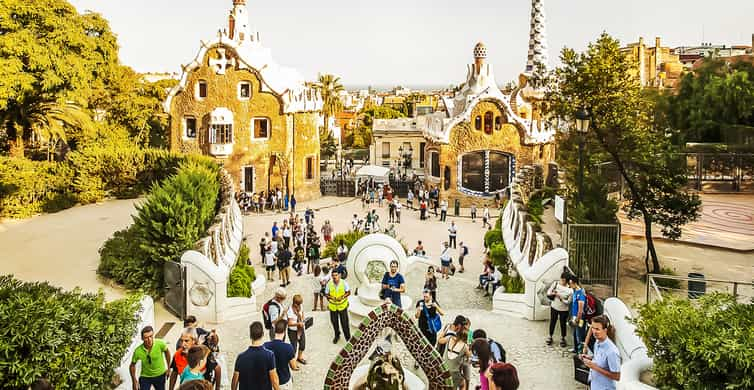
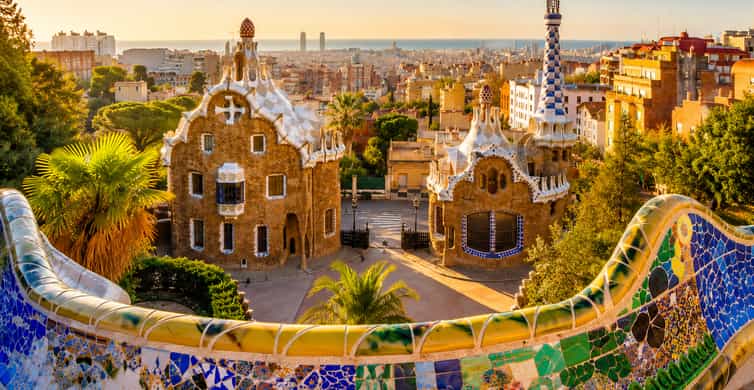
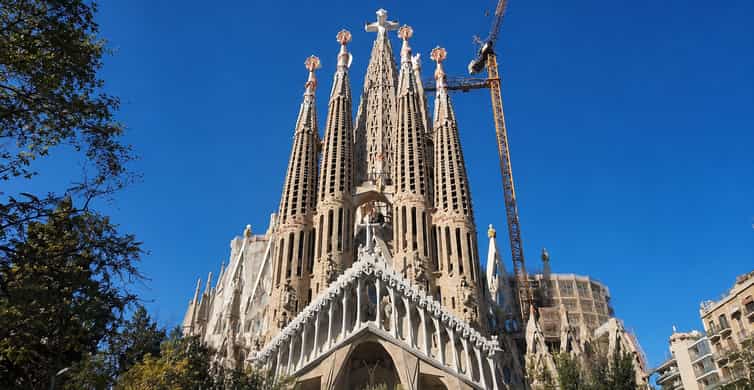
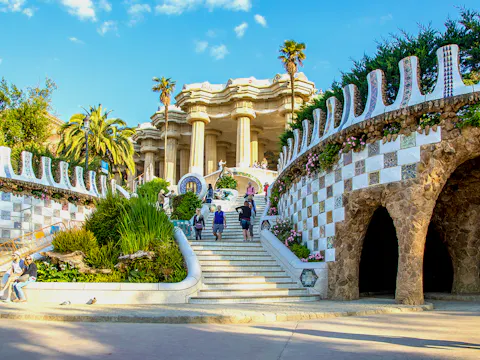
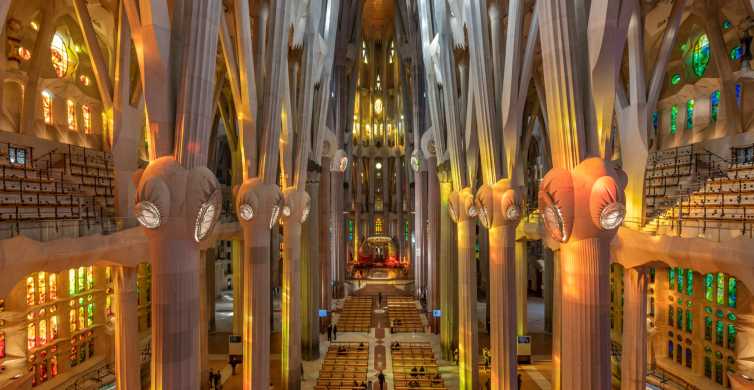
Landmarks, finally without the queue. With crowds at medium levels and tickets available a few days out, October lets you improvise. It is the month for the things you skip in summer for fear of the line: the Sagrada Família at your own pace, Park Güell first thing, a full afternoon of museums.
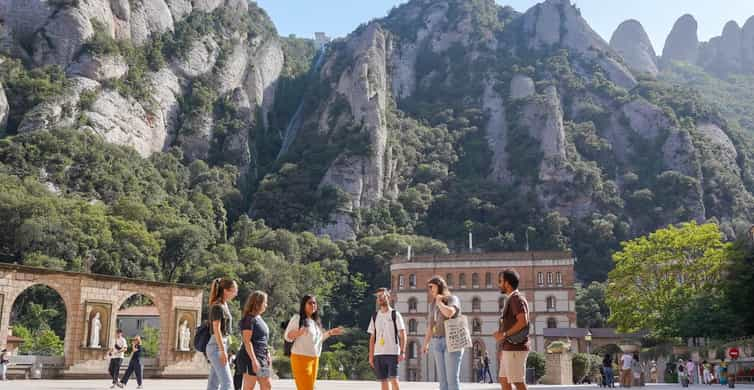
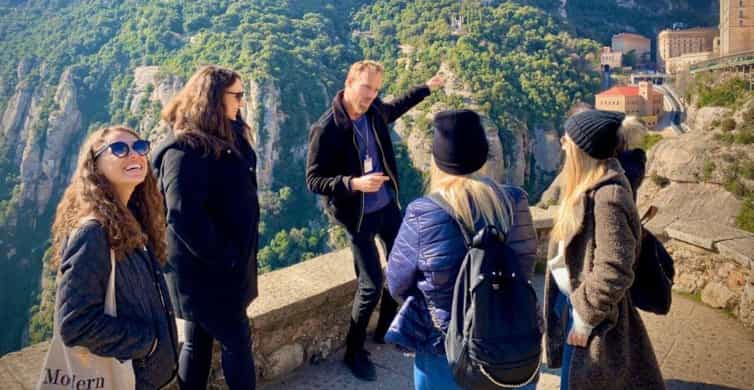
Get out of town. This is the best season for day trips: Montserrat without the summer heat, the Costa Brava empty and lit like a postcard, and the Penedès vineyards just after the harvest.
This is the month's financial argument. Crowds fall from "high" in September to medium in October, and hotel and flight prices come down with them: it is the first month since spring in which Barcelona is an affordable city again. The last week of October, with the clocks already back and autumn settled in, is usually the cheapest stretch of the second half of the year before November.
The honest caveat: October is still high season for cruise calls. That doesn't fill the city all day — it fills it in bursts. The ships unload thousands of people at once in the morning and concentrate them between 10:00 and 15:00 on La Rambla, in the Gothic Quarter, at the Sagrada Família and at Park Güell. The pattern is easy to dodge: big landmarks at opening time or after 16:00, and the old town first thing in the morning or after dinner.
The other peak is the 12 October long weekend, whenever the holiday sits next to a weekend: days in which Spanish domestic tourism fills hotels and high-speed trains. If your trip lands there, book accommodation and rail further ahead than the rest of the month requires.
October takes a lot of pressure off ticketing, but the two capped landmarks are still the same: the Sagrada Família, which sells online only with a timed entry (basic with audio guide €26, guided €30, with tower access €36 per sagradafamilia.org), and Park Güell, which limits the Monumental Zone to 1,400 visitors per hour (general €18, reduced €13.50 per parkguell.barcelona).
| What | Lead time | The catch |
|---|---|---|
| Sagrada Família | 1-2 weeks | Closes at 19:00 in October; towers sooner, and weather-dependent |
| Park Güell | ~1 week | Strict hourly quota even outside high season |
| 12 October long weekend | 3-4 weeks (hotel and train) | Domestic tourism; landmarks open normally |
| Tours and day trips | A few days | Montserrat and the Costa Brava a little more at weekends |
| Museums and indoor plans | Day before | Exactly the slack you need to improvise a rainy day |
Prices and sales conditions per sagradafamilia.org and parkguell.barcelona; they can change without notice. Lead times are our own estimate based on observed availability. Buy from the tickets page, or compare the city passes if you are stacking four or more paid visits — in October they still save money even though there are no queues left to skip.
October is the wettest month of the Barcelona year: around 100 mm on average — but spread across only 6 to 7 rain days. That works out at roughly 14 mm per rain day, which means short, heavy Mediterranean storms that dump water for twenty or thirty minutes and move on, not all-day drizzle. Statistically, three days out of four in October see no rain at all.
Average highs of 22 °C and lows of 14 °C: walk-all-day weather, and warm enough to eat outside in a light jacket. The month starts close to summer and finishes properly autumnal, with highs nearer 18-19 °C and cool evenings in the final week. These are 1991-2020 climate averages, not a forecast — check aemet.es or meteo.cat before you travel.
Yes, especially in the first half of the month. The sea averages around 20 °C in October — about the same as June and well above May — because the Mediterranean releases its heat weeks late, and the opening days are the warmest. Two warnings: daily lifeguard cover is over (the high bathing season ends in mid-September, per barcelona.cat), and after a heavy storm wait a day before swimming, as storm drains can overflow into the sea.
In the early hours of the last Sunday of October: at 03:00 the clocks go back to 02:00 and Spain returns to winter time. The effect is abrupt — on the Saturday the sun sets around 19:00, and on the Sunday around 18:00. From that date on, put outdoor sights and viewpoints in the morning or early afternoon.
Very much so, if you have come for the city and the food. It is one of the best walking months (22 °C), hotels and flights drop from summer levels, tickets are available a few days out, the light is low and golden all day, and the autumn market season is at its best. What you give up is sunbathing weather and long evenings once the clocks go back on the last Sunday.
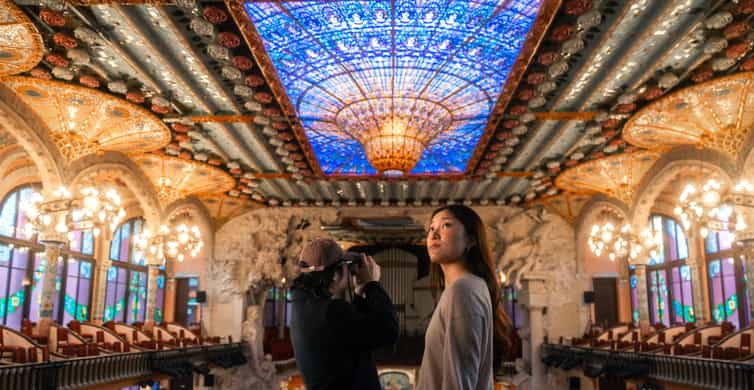
Save the big interiors for that day: the Sagrada Família (which is better under diffuse light than in full sun), the Picasso Museum, the Palau de la Música, the Aquarium if you have children, the immersive museums in Poblenou, or a long lunch on a food tour. The metro links almost all of it with under two minutes of street, and the Boqueria and the municipal markets are all under roof.
Less than September and far less than summer: crowd levels are medium. The caveat is that October is still high season for cruise calls, so there are concentrated peaks between 10:00 and 15:00 on La Rambla, in the Gothic Quarter, at the Sagrada Família and at Park Güell. Outside that window, and Tuesday to Thursday, the city is comfortable in a way August never is.
A light packable rain jacket — better than an umbrella, because the storms come with wind and cheap umbrellas last about one street corner — closed comfortable shoes that survive a puddle, and layers: T-shirt, thin jumper, jacket. Add swimwear if you travel in the first fortnight, and something covering shoulders and knees for the Sagrada Família and the Cathedral. You will not need a winter coat.
Shorter queues, room to improvise and an indoor plan always within reach: this is the month Barcelona is enjoyed rather than fought. Free cancellation on most options.
Check dates and prices